The Need for Supply Chain Resilience
Recent global events have highlighted the vulnerability of supply chains to disruptions. From pandemic-related shutdowns to natural disasters and geopolitical tensions, businesses have learned that traditional single-mode transportation strategies are insufficient for maintaining operational continuity.
What is Multi-Modal Tracking?
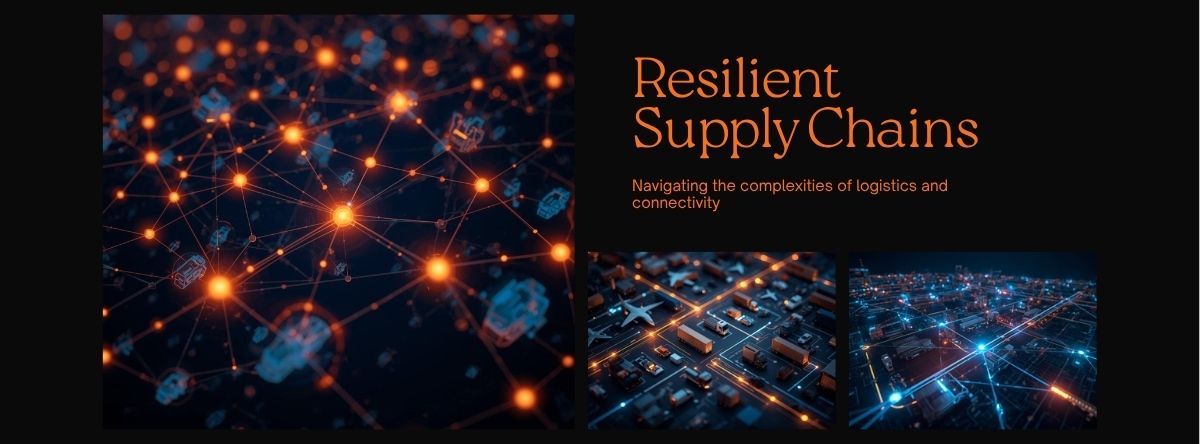
Multi-modal tracking refers to the comprehensive monitoring of shipments as they move through different transportation modes - sea, air, road, and rail. This approach provides end-to-end visibility regardless of how many times cargo changes transportation methods during its journey.
Building Blocks of Resilient Supply Chains
1. Diversified Transportation Options
Resilient supply chains do not rely on a single transportation mode or route. By maintaining relationships with multiple carriers across different modes, businesses can quickly pivot when disruptions occur.
2. Real-Time Visibility Across All Modes
Comprehensive tracking systems integrate data from ocean carriers, airlines, trucking companies, and rail operators. This unified visibility allows supply chain managers to monitor progress and coordinate seamless handoffs between transportation modes.
3. Predictive Risk Management
Advanced tracking systems use historical data and real-time conditions to predict potential disruptions. Weather patterns, port congestion, labor disputes, and other factors are analyzed to provide early warnings.
4. Automated Contingency Planning
When disruptions are detected, automated systems can immediately identify alternative routes and transportation modes, minimizing delays and reducing the impact of unexpected events.
Key Benefits of Multi-Modal Tracking
Enhanced Flexibility
Multi-modal capabilities provide the flexibility to optimize for different priorities - cost, speed, or reliability - depending on changing business needs and market conditions.
Risk Distribution
By spreading shipments across multiple modes and routes, businesses reduce their exposure to any single point of failure.
Cost Optimization
Different transportation modes have varying cost structures and capabilities. Multi-modal tracking enables dynamic optimization to achieve the best balance of cost and service for each shipment.
Success Metrics
- On-time delivery performance across all modes
- Cost per shipment and total landed cost
- Recovery time from disruptions
- Customer satisfaction scores
- Supply chain visibility index