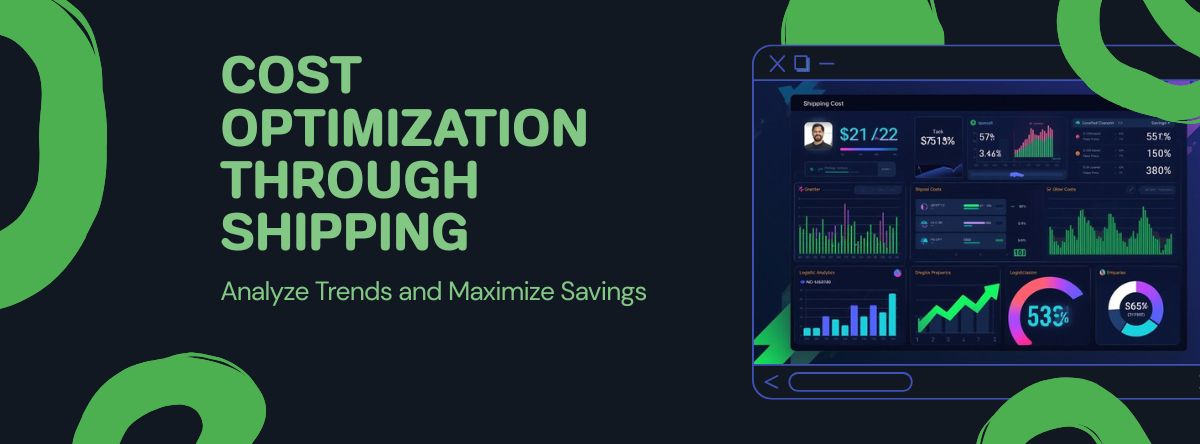
The Cost Challenge in Shipping
Shipping costs can represent a significant portion of a company's operational expenses. With fuel prices, labor costs, and regulatory requirements constantly changing, businesses need sophisticated tools to optimize their shipping operations.
The Power of Analytics in Cost Optimization
Smart shipping analytics platforms collect and analyze vast amounts of data from multiple sources - historical shipment data, carrier performance metrics, fuel prices, route efficiency, and market trends. This comprehensive analysis reveals patterns and opportunities that might not be visible through traditional methods.
Key Areas for Cost Optimization
1. Carrier Selection and Negotiation
Analytics help identify the most cost-effective carriers for specific routes and service levels. By analyzing performance data, businesses can negotiate better rates with preferred carriers.
2. Route and Mode Optimization
Smart algorithms analyze multiple transportation modes and routes to identify the most cost-effective options while meeting delivery requirements.
3. Consolidation Opportunities
Analytics can identify opportunities to consolidate shipments, reducing per-unit shipping costs through volume discounts and improved load utilization.
4. Demand Forecasting
Predictive analytics help forecast shipping demand, enabling better capacity planning and negotiation of volume-based rates.
Implementation Strategies
Data Collection and Integration
The foundation of effective analytics is comprehensive data collection, including integrating data from ERP systems, carrier APIs, market intelligence sources, and operational systems.
Real-Time Monitoring
Continuous monitoring of shipping costs and performance enables rapid response to changing conditions. Automated alerts can notify managers when costs exceed thresholds.
Performance Benchmarking
Regular benchmarking against industry standards and internal targets helps identify areas for improvement and measure the success of optimization initiatives.
Measuring Success
Key performance indicators for shipping cost optimization include:
- Cost per shipment and cost per unit shipped
- Carrier performance metrics (on-time delivery, damage rates)
- Route efficiency and utilization rates
- Fuel cost impact and surcharge management
- Customer satisfaction scores related to shipping
ROI and Business Impact
Companies implementing smart shipping analytics typically see cost reductions of 10-20% within the first year, along with improved service levels and customer satisfaction.